Leading Provider of Automatic Weighing Equipment
Leading Provider of Automatic Weighing Equipment
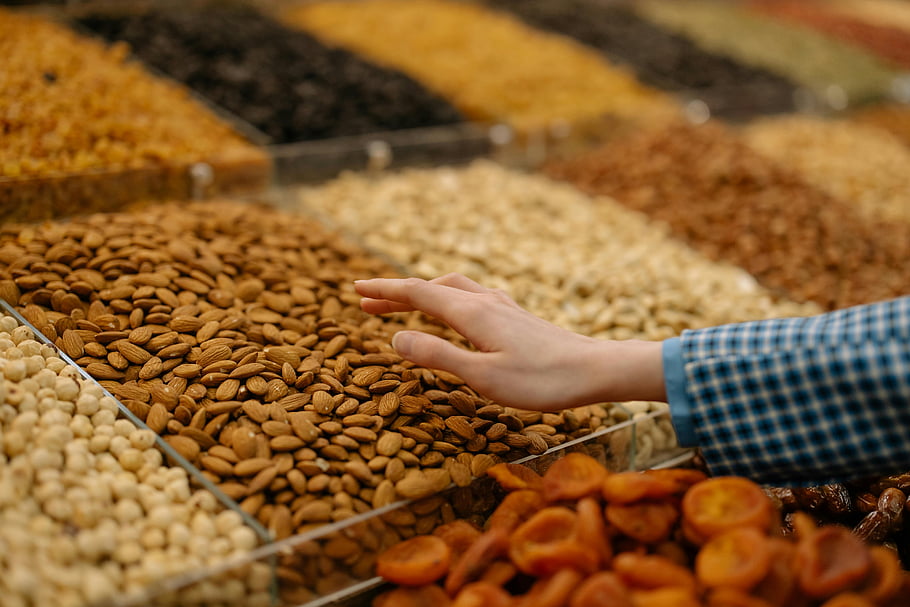
In modern automated food production and packaging lines, weighing solutions play a key role in ensuring product accuracy, controlling production costs, and improving overall efficiency.
Among the most commonly used automated weighing systems, linear weighers and multihead weighers are two of the main options in today’s food packaging industry.
However, selecting the right weighing system is not always straightforward, as it depends heavily on product characteristics, production scale, and efficiency requirements.
To make this decision easier, we will first compare both systems in detail, and then introduce key selection criteria to help you identify the most suitable solution for your production line.
Before choosing the right equipment, it is important to understand how these two systems differ in design and performance.
Both linear weighers and multihead weighers are widely used in food production, but they are built for different application scenarios and production requirements.
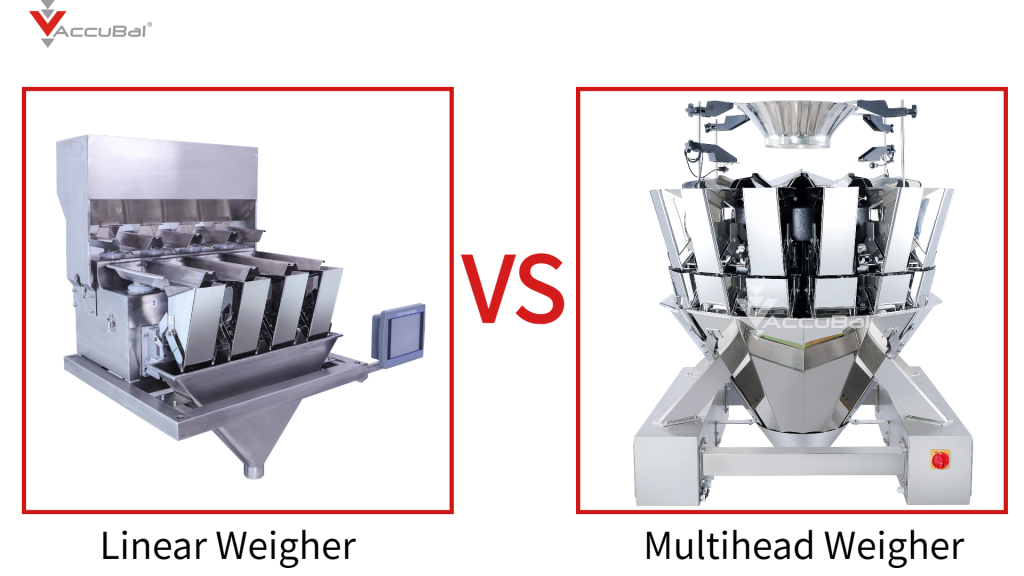
Uses vibrating feed trays combined with independent load cells to complete a step-by-step controlled weighing process. Materials are weighed sequentially until reaching the target weight.
Uses multiple weighing hoppers operating simultaneously. The system calculates the optimal weight combination in real time to achieve the target portion.
👉 This difference in structure directly leads to variations in speed, accuracy, and applicable production scale.
Based on their working principles, both systems offer distinct advantages:
👉 As shown above, linear weighers focus more on simplicity and stability, while multihead weighers are designed for speed and precision.
When production scale increases, equipment requirements also change significantly.
Best suited for small to medium production lines with moderate output requirements.
Designed for large-scale industrial production lines requiring continuous high-speed operation.
Product characteristics also play a key role in selecting the right system.
Free-flowing granular products:
Grains, cereals, seeds, spices, and similar materials.
rregular, mixed, fragile, or high-value products:
Snacks, nuts, confectionery, and similar food items
👉 In general, linear weighers perform best with stable, uniform materials, while multihead weighers are better suited for complex or high-value products.
Bringing together all the above factors, the application scenarios become clearer
Ideal for cost-effective automation and production environments with stable and simple requirements.
Best for high-speed, high-precision production lines where efficiency, consistency, and minimal product loss are critical.
After understanding the differences, the next step is to evaluate which system fits your actual production needs.
To simplify decision-making, we summarize four key selection criteria below.
Choosing between a linear weigher and a multihead weigher essentially comes down to striking a balance between upfront procurement costs and long-term operational benefits.
→Linear weighers are typically chosen for stable, cost-efficient production needs.
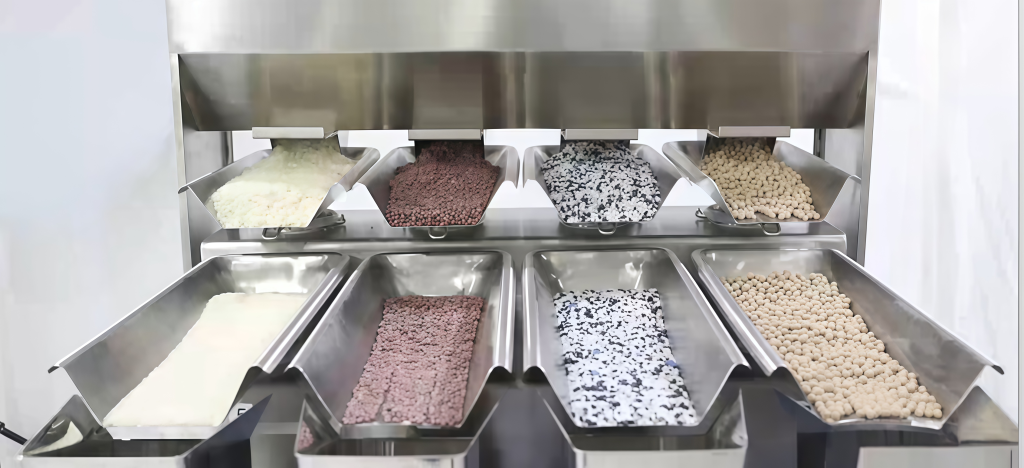
Click to Explore Linear Weigher Series
→Multihead weighers preferred when speed, precision, and efficiency are the top priorities.
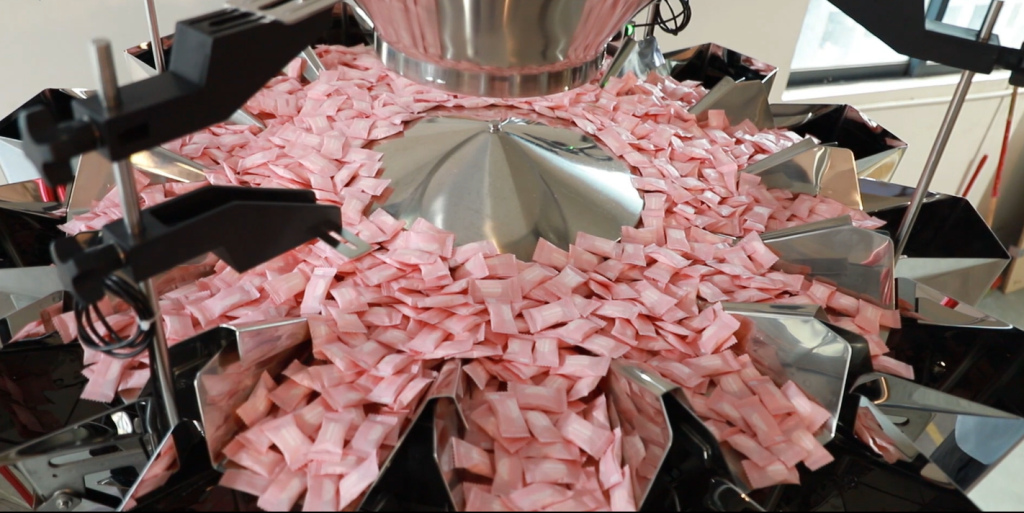
Click to Explore Multihead Weigher Series
Linear weighers and multihead weighers are not direct competitors. Instead, they serve different stages of production scaling and automation maturity.
Each solution plays an important role in helping manufacturers transition from basic production setups to fully automated high-speed packaging systems.
At Accubal, we understand that every manufacturer has different production goals, budgets, and product characteristics.
That is why we focus on providing practical and scalable weighing solutions for food processing and packaging industries.
Whether you are upgrading from manual weighing or expanding into high-speed production lines, choosing the right weighing system is the key to long-term success. If you need any professional advice or customized solutions for your specific production line, please feel free to get in touch with our team.