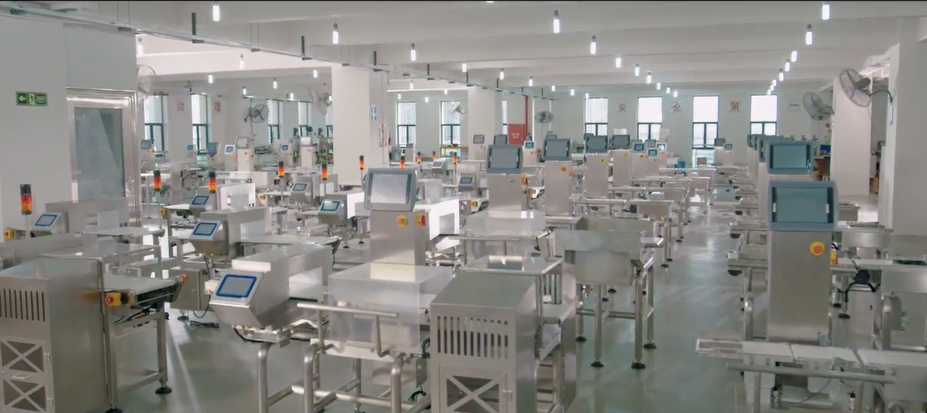
Leading Provider of Automatic Weighing Equipment
Leading Provider of Automatic Weighing Equipment

In the food processing and packaging industry, product safety and quality control are always top priorities. Even the smallest metal contamination can affect product quality, damage brand reputation, and lead to significant financial losses. This is why metal detectors have become an essential part of food production lines.
But how much do you really know about metal detectors? How do they work, what can they detect, and why are they important for food manufacturers? Let’s explore the key facts behind this important inspection technology.
A metal detector is an inspection device designed to detect metal contaminants in products during the manufacturing process. It uses electromagnetic technology to identify metal particles that may accidentally enter products from raw materials, processing equipment, or the production environment.
Common applications include food, pharmaceuticals, chemicals, and other industries where product safety and quality control are critical.
For food manufacturers, metal detectors are often integrated into automated production lines, working together with weighing and packaging equipment to provide a complete quality assurance solution.
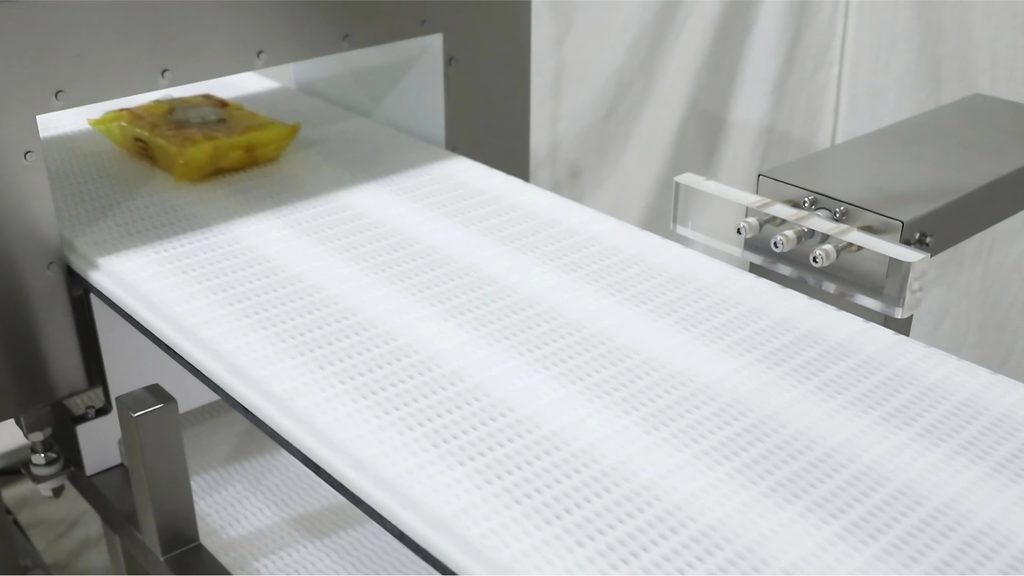
A metal detector typically consists of a detection coil that generates an electromagnetic field. When a metal object passes through this field, it creates a disturbance in the signal, which the system recognizes and analyzes.
If metal contamination is detected, the system can automatically trigger an alarm or activate a rejection mechanism to remove the contaminated product from the production line.
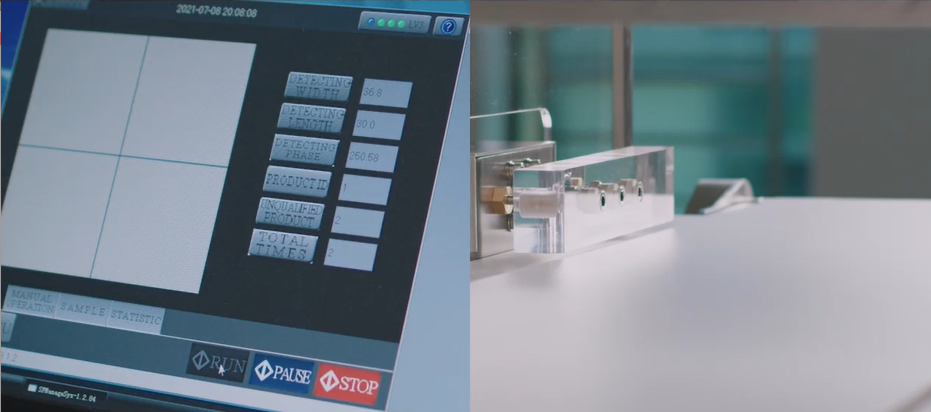
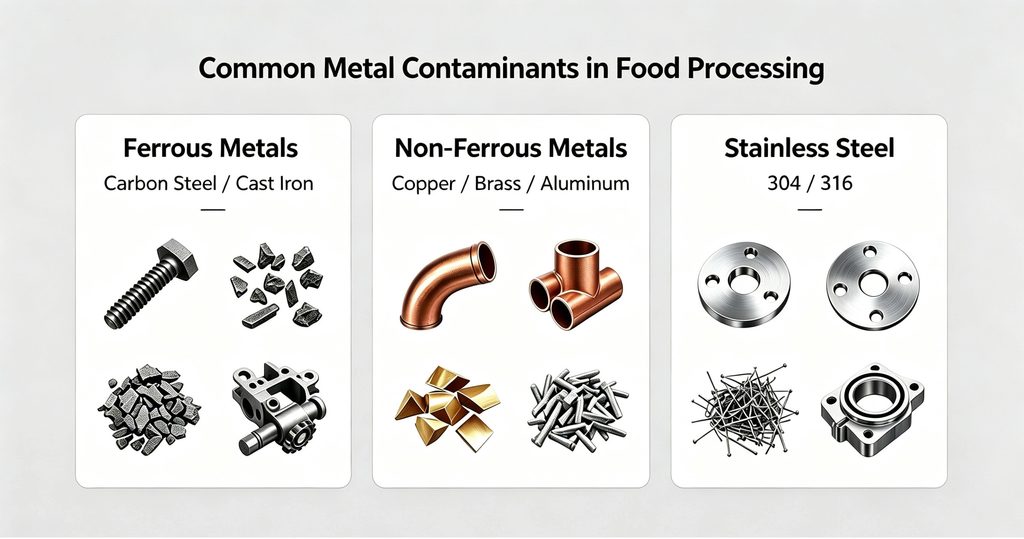
Metal detectors are designed to identify different types of metal contaminants, including:
Materials like carbon steel, cast iron, are usually the easiest to detect due to their strong magnetic properties.
Copper, brass, and aluminum can also be detected because of their high electrical conductivity.
Stainless steel is commonly found in food processing equipment. Although it is more challenging to detect than ferrous metals, some advanced Accubal metal detectors can identify stainless steel contaminants effectively.
Metal detectors help prevent contaminated products from reaching consumers, supporting food safety standards and protecting customer trust.
Early detection of metal contamination helps manufacturers avoid large-scale recalls, unnecessary waste, and production interruptions.
By adding inspection technology to production lines, manufacturers can maintain consistent product quality and comply with food safety regulations.
Many food manufacturers use metal detectors as part of their quality control processes to comply with customer requirements and food safety regulations.
Metal detectors are widely used across the food industry to help identify and remove metal contaminants from different types of products, ensuring food safety and maintaining consistent quality throughout the production process.
They are commonly applied to various food products, including:
With different food products and production environments requiring different inspection capabilities, selecting the right metal detector is essential to achieve reliable detection performance and maintain efficient operations.

Choosing the right metal detector depends on your production requirements. Key factors to consider include:
Higher sensitivity helps identify smaller metal contaminants and improve product safety.
Different products, especially wet or conductive products, may affect detection performance and require suitable solutions.
The equipment should match your production capacity while maintaining reliable inspection accuracy.
A metal detector that can work seamlessly with weighing and packaging systems helps create a more efficient automated production line.
As an experienced provider of weighing and inspection solutions, Accubal understands the importance of accuracy, reliability, and product safety in modern manufacturing.
By combining advanced weighing technology with metal detection solution, Accubal help manufacturers optimize their production processes and meet strict food safety requirements.
Welcome contact Accubal today to discover the right solution for your production line. More Product Details, Please visit: https://accubalscale.com/products/metal-detector/